
Nairobi, Kenya — February 2026
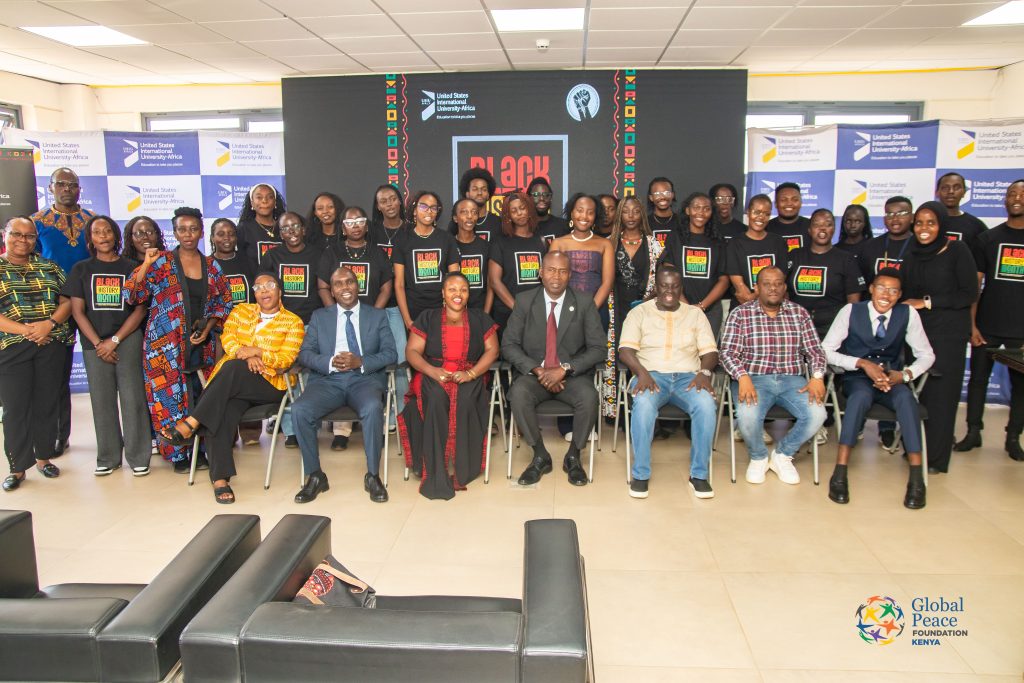
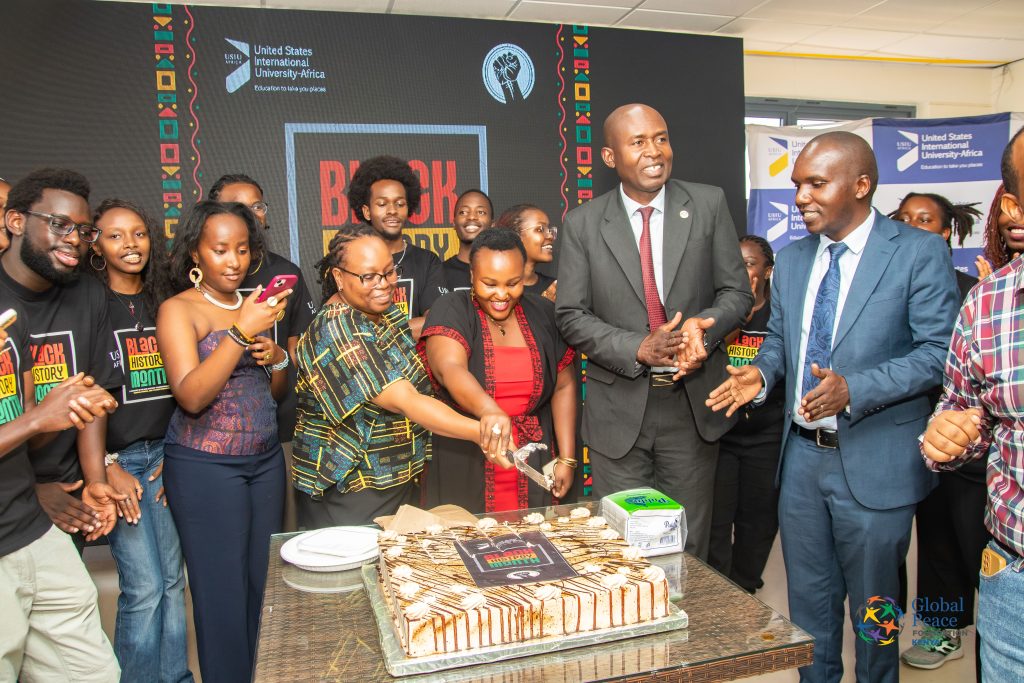
The United States International University–Africa (USIU-Africa) officially launched its Black History Month 2026 celebrations with a vibrant and thought-provoking opening ceremony that brought together scholars, students, diplomats, civil society leaders, and members of the global Black community.
Held on campus in Nairobi, the event was anchored on the theme of memory, power, identity, and transformation, setting the tone for a month-long series of conversations, reflections, and cultural engagements celebrating African and Black heritage.
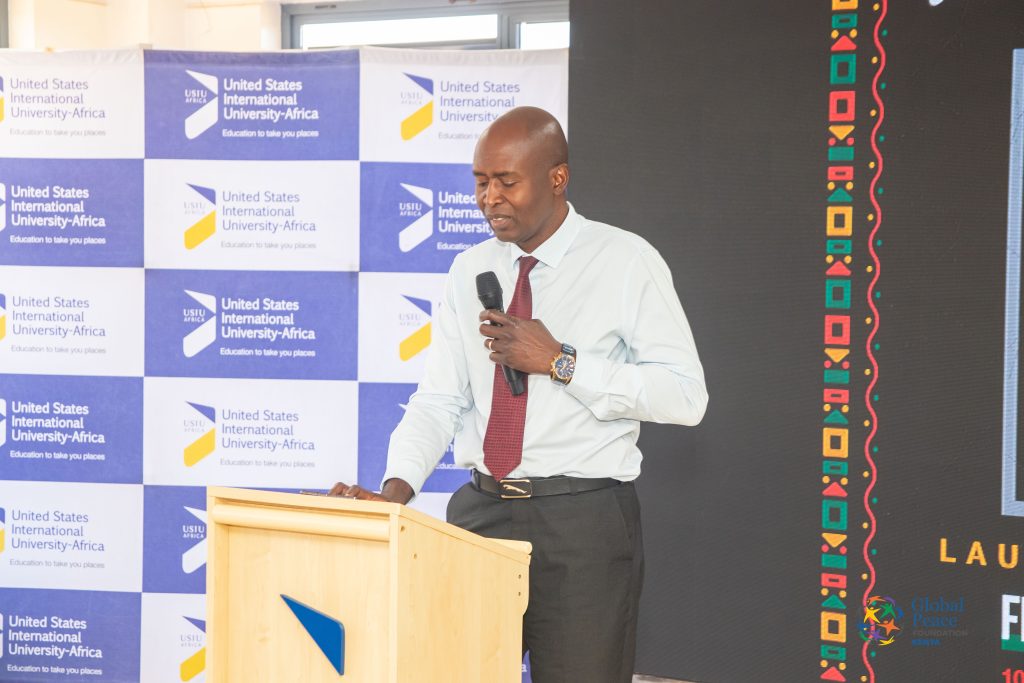
A key highlight of the ceremony was the keynote address by Mr. Daniel Juma Omondi, the Africa Regional Representative of the Global Peace Foundation (GPF), whose remarks challenged participants to move beyond remembrance toward reclaiming African identity, dignity, and agency in global affairs.
Reclaiming the African Narrative
In his keynote speech, Mr. Omondi emphasized that Black History Month is not merely a symbolic commemoration but a strategic call to responsibility for Africans and people of African descent worldwide.
“For far too long, Africa and Black people have had their stories told about them rather than by them,” he noted. “Africa is not a problem to be solved, but a civilization to be restored.”
He underscored how colonialism distorted perceptions of Blackness through language, symbolism, and institutional systems, conditioning generations to associate “black” with danger or inferiority. Drawing from everyday expressions such as “black magic” and “black spots,” he illustrated how deeply embedded narratives continue to shape identity and self-worth.
Mr. Omondi called for a deliberate reclaiming of Black identity, asserting that Blackness is not a deficit but a source of resilience, creativity, and global contribution.
Peace as an Economic Imperative
Linking identity to development, the GPF Africa Regional Representative highlighted the inseparable relationship between peace and prosperity, stressing that sustainable development cannot exist without peace.
“Peace is not only a moral aspiration; it is an economic necessity,” he said, noting that Africa loses billions of dollars annually due to conflict, weak institutions, and corruption—resources that could otherwise be invested in education, innovation, and infrastructure.
He further challenged African leaders and institutions to rethink dependency on external aid and to prioritize locally driven, values-based development, echoing Global Peace Foundation’s emphasis on ethical leadership and strong institutions.
Africa Renaissance and Youth Leadership
Mr. Omondi also outlined the Africa Renaissance Initiative, a flagship Global Peace Foundation program focused on Africa’s renewal through three core pillars:
1. Values-based leadership
2. Strong institutions and ethical governance
3. Inclusive economic empowerment
Addressing students directly, he described them as the most educated and globally connected generation in African history, urging them to embrace leadership rooted in integrity, unity, and service.
“Africa does not need saviors,” he stated. “Africa needs ethical leaders, peace builders, innovators, and institution builders.”
A Platform for Diverse Voices
The opening ceremony also featured remarks from USIU-Africa leadership, keynote contributions from scholars and practitioners in development, Pan-African thought, and pharmaceutical sciences, as well as reflections on the role of indigenous knowledge, traditional medicine, and epistemic justice in Africa’s future.
Student leaders shared personal experiences on Black identity both within Africa and in the diaspora, while cultural performances added artistic expression to the celebration of African heritage.
Looking Beyond February
As the ceremony concluded, speakers emphasized that Black History Month should not be confined to a single month but integrated into everyday learning, leadership, and institutional practice.
The Global Peace Foundation reaffirmed its commitment to supporting platforms that amplify African voices, promote peace-driven development, and advance a dignified and unified African narrative globally.
