
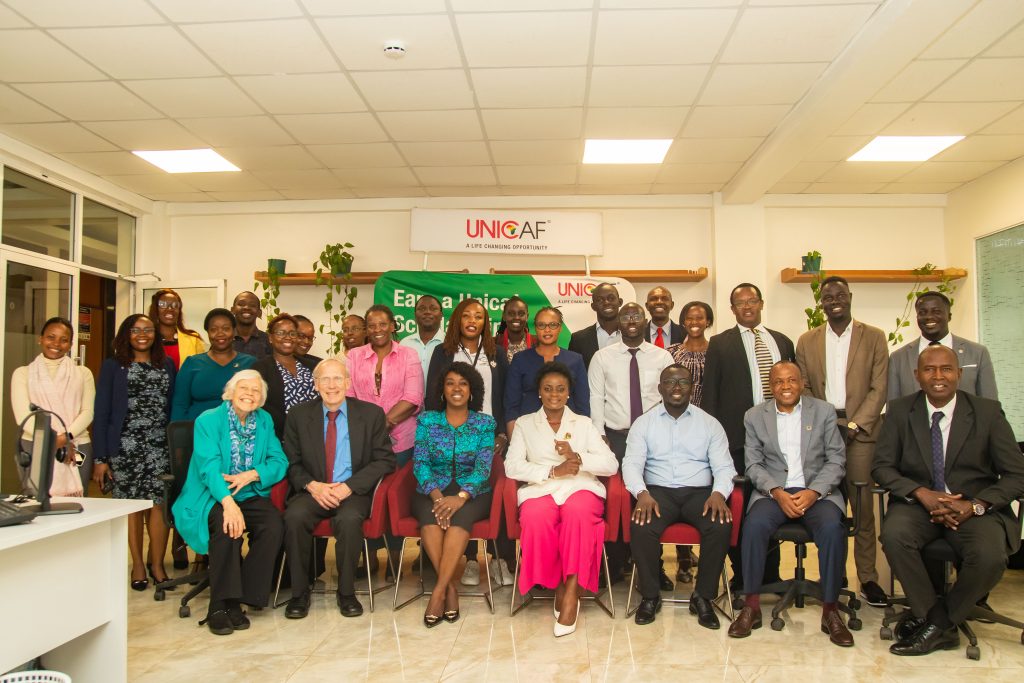
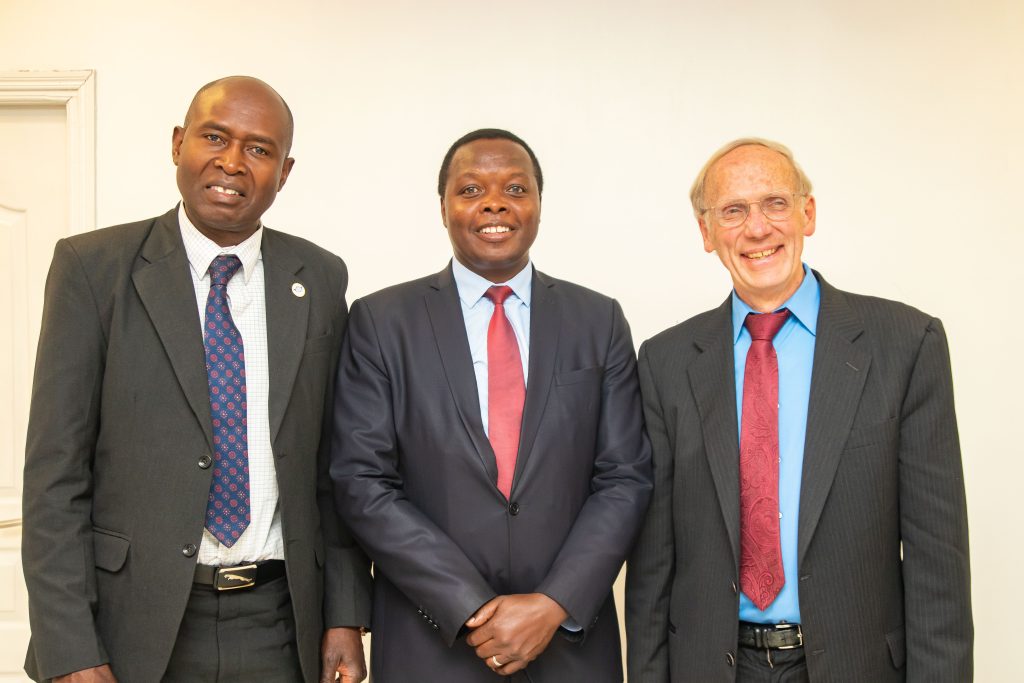
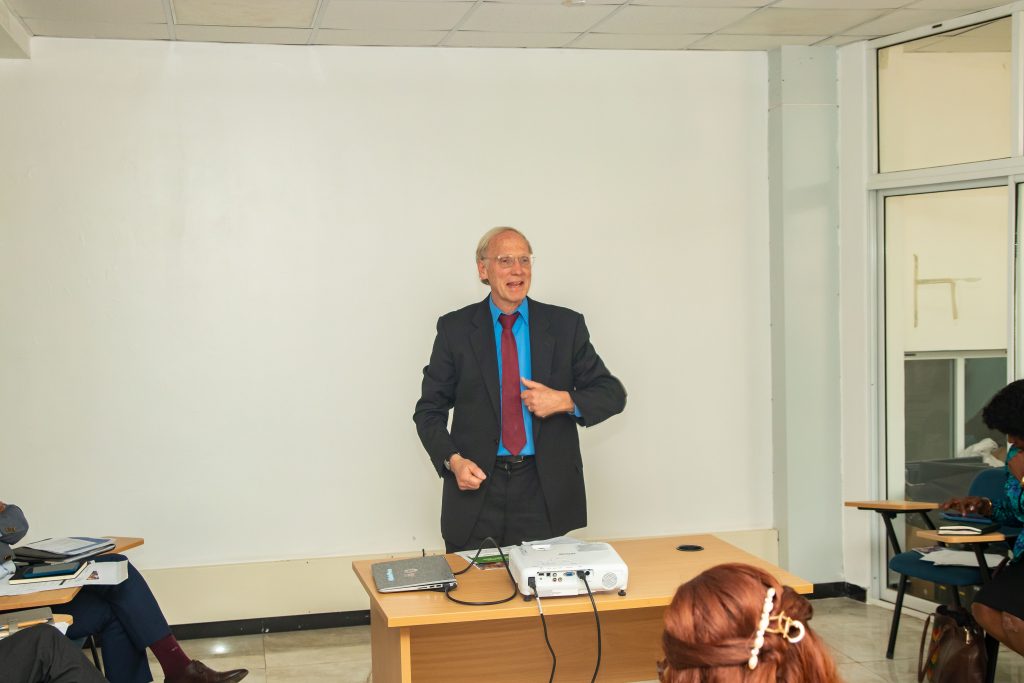
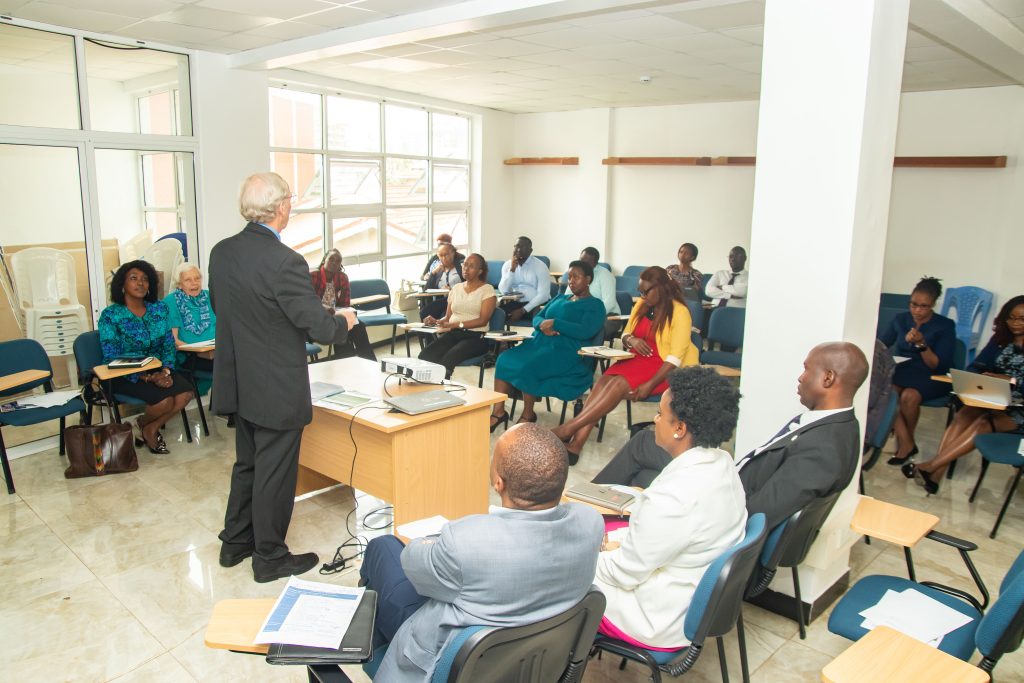
Nairobi, Kenya — February 16, 2026 — Global Peace Foundation Kenya hosted Global Peace Foundation International Vice President for Strategic Partnerships,Mr David Caprara’s couple during his official visit to the Kenya Country Office, where he convened corporate leaders, educators, and development partners to advance the Million Tree Growing Campaign that seeks to grow 45 Million trees in support of the clarion call by the President to achieve 15 Billion by 2032 and deepen Kenya’s leadership in environmental peace building initiative with focus on youth.
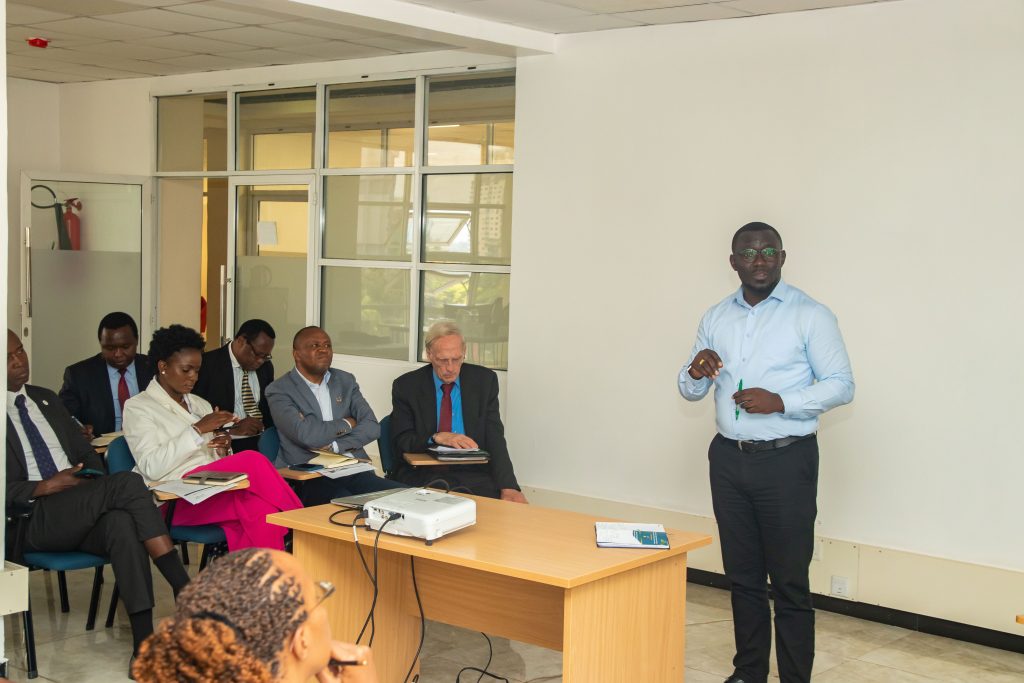
The Corporate Roundtable, held in partnership with Chandaria Foundation and UNICAF, brought together key stakeholders including representatives from Kenya Commercial Bank (KCB) and KenGen, as well as education leaders and the President youth Fellows , to explore scalable partnerships for environmental stewardship, youth leadership, and sustainable development.
Welcoming remarks were delivered by Africa Regional Representative and Country Director Daniel Juma, alongside UNICAF Country Director Winnie Rachel, who emphasized the importance of cross-sector collaboration in addressing climate challenges while nurturing the next generation of leaders.
Kenya Positioned as a Global Model for Environmental Peacebuilding
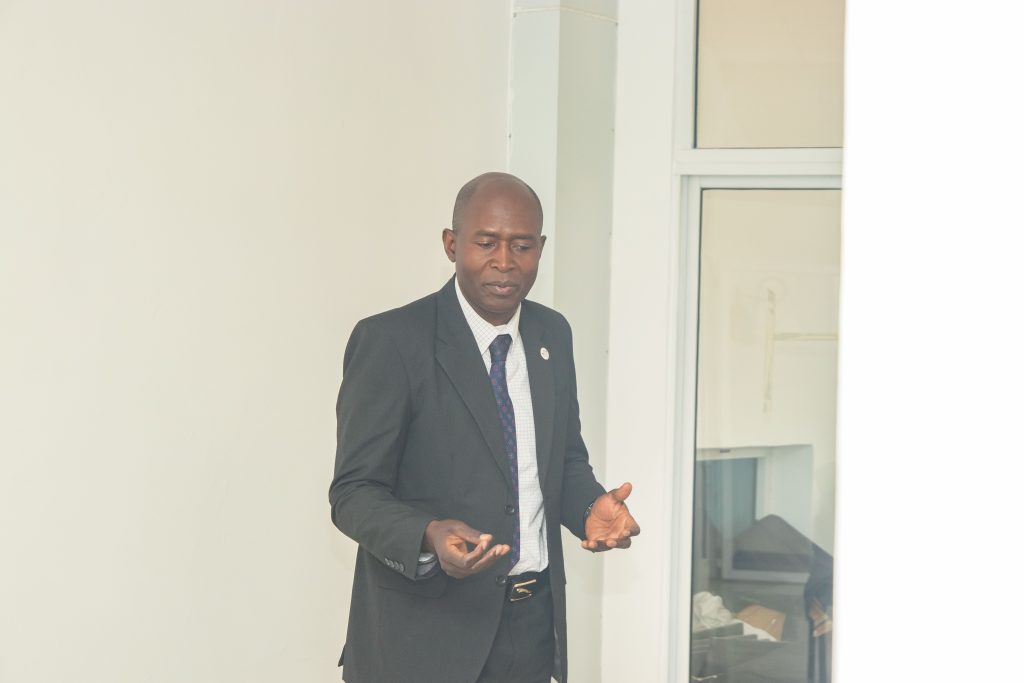
Speaking at the forum, GPF Africa Regional Representative and Kenya Country Director Daniel Juma said the consortium would provide a coordinated platform for partners to work together rather than in isolation. He noted that Kenya’s environmental efforts must be anchored in character development, youth engagement and shared responsibility if they are to deliver lasting impact.
“We are building a movement that goes beyond planting trees to nurturing leadership, discipline and national unity,” Juma said. “This consortium allows us to pool strengths, scale impact and ensure that trees planted today grow into lasting assets for communities.”
In his keynote address, David Caprara commended Kenya’s leadership and called for the continuation and expansion of the environmental consortium established through Global Peace Foundation partnerships.
“I believe this environmental consortium can live beyond individual projects,” Caprara said. “Kenya is building a model that connects environmental stewardship, youth leadership, and peacebuilding—not just for this country, but for the world.”
He reflected on Global Peace Foundation’s longstanding peacebuilding efforts in Kenya following the 2007–2008 post-election period, highlighting youth-led restoration initiatives along the Nairobi River, where students and community members worked across ethnic lines to restore ecosystems and rebuild unity.
Together with global partners including Martin Luther King III, Global Peace Foundation supported tree planting and restoration initiatives that have since grown into thriving ecosystems—demonstrating the long-term impact of youth-driven environmental action.
Todate through the leadership of Chandaria Chandaria Foundation and the Global Peace Foundation 20 Chandaria Tree Nurseries have been established across the 16 counties enhancing the tree seedlings production to 2 Million seedlings with each nursery raising 100,000 seedlings annually.
These efforts build upon Kenya’s proud environmental legacy shaped by pioneers such as the late Nobel Laureate Prof.Wangari Maathai, whose vision continues to inspire youth and institutions to protect the environment while advancing peace.
Advancing the Million Tree Growing Campaign and Youth Leadership
A key highlight of the roundtable included presentations from Alliance High School and Lenana School, whose tree nursery programs exemplify how educational institutions are contributing to Kenya’s national climate goals while cultivating environmental responsibility among students.
Caprara emphasized that environmental stewardship is inseparable from leadership development.
“Environmental stewardship is not just about planting trees—it is about cultivating leadership, responsibility, and a shared vision for a sustainable and peaceful future,” he noted.
He also highlighted the rapid growth of Global Peace Foundation’s Presidential Fellowship and Global Peace Leadership Corps, which are mobilizing hundreds of young leaders across Kenya to serve as environmental stewards and peacebuilders.
These initiatives are transforming tree growing into a broader movement focused on character development, entrepreneurship, and national unity.
Expanding Kenya’s Environmental Model to the Global Stage
Caprara announced plans to integrate Kenya’s environmental consortium into Global Peace Foundation’s international environmental peacebuilding portfolio, connecting Kenya’s success with similar initiatives across Asia, Latin America, and Africa.
He invited Kenyan partners to participate in upcoming global climate engagements, including international environmental summits especially COP 17 coming up in Mongolia and youth convenings, positioning Kenya’s Million Tree Growing Campaign as a flagship model of environmental peacebuilding.
Caprara also paid tribute to renowned Kenyan industrialist and philanthropist Manu Chandaria, recognizing his lifelong commitment to service and his role in inspiring environmental and social impact initiatives.
“No one is fighting over planting trees,” Caprara noted, echoing Chandaria’s philosophy. “Environmental action brings people together. It builds peace, strengthens communities, and creates a shared legacy.”
Building a Legacy for Future Generations
The roundtable concluded with a call to formalize the environmental consortium as a long-term legacy initiative extending beyond 2030, aligning with global sustainable development priorities while positioning Kenya as a continental leader in environmental peacebuilding.
Through initiatives such as the Million Tree Growing Campaign, Presidential Fellowship, and institutional partnerships, Global Peace Foundation Kenya continues to empower youth, strengthen partnerships, and advance sustainable solutions grounded in shared values as enshrined in the Kenya vision 2030, Africa agenda 2063 and the Sustainable development goals.
